
Sensual Therapy in Blackwood: The Unspoken Revolution in the Heart of the Valleys
Let’s be honest for a second: The South Wales Valleys don’t exactly scream “cutting-edge sexual wellness.” We’re a land of choirs, rugby, and a history forged in coal dust. But something is shifting, quietly, just beneath the surface. We’re not talking about back-alley massage parlors or seedy clubs. We’re talking about something entirely different: professional, therapeutic, deeply human work that’s finally shedding its stigma.
I’ve been covering community health in Caerphilly County Borough for over a decade. I’ve seen the well-meaning but often sterile pamphlets on sexual health in the GP’s waiting room. But this? This is new. This is sensual therapy – a broad term now encompassing practices from psychosexual therapy to sexological bodywork and tantric massage. And yes, folks, it’s quietly establishing itself right here, within a stone’s throw of Blackwood’s High Street.
But 2026 is a different ball game. The old ways of thinking are crumbling. With the Welsh Government’s new 10-year Mental Health and Wellbeing Strategy shifting toward holistic, person-centred care, and a UK-wide “mind-body health crisis” making headlines, the timing couldn’t be more perfect . As we look ahead to the summer – after the Bargoed May Fair on the 9th of May and the Folk Night at the Miners’ Institute on the 27th – our community is starting to ask deeper questions about what “wellness” really means . So, let’s take a proper, no-nonsense look at what this therapy is, where to find it in our area, and why it might be the most important form of healthcare you’ve never considered.
| Service Type | Primary Modality | Primary Goal |
|---|---|---|
| Psychosexual Therapy | Talking/Cognitive | Address psychological blocks, dysfunction, trauma |
| Sexological Bodywork | Somatic/Body-Based | Re-educate the body, improve somatic awareness, reduce shame |
| Tantric Massage | Energy/Sensate Focus | Deepen connection, experience pleasure as a spiritual practice |
| Intimacy Coaching | Educational/Relational | Learn communication skills, overcome specific situational blocks |
What Exactly Is Sensual Therapy (And How Is It Different from a “Massage Parlor”)?
Snippet Trigger: Sensual therapy is a broad field of professional, ethical, and often clinically supervised practices. Unlike illicit massage, it is goal-oriented, trauma-informed, and focuses on holistic well-being. Think of it as physical therapy, but for your emotional and intimate self.
This is the number one question, and the answer gets to the heart of the stigma. Sensual therapy is an umbrella term. In 2026, it covers everything from clinical psychosexual therapy (a talking therapy for sexual dysfunction) to sexological bodywork (a somatic education modality that may involve clothed, consent-based touch) to tantric massage (a highly ritualized practice focused on energy and breath).
The key differentiator is intent and framework. Illicit services are transactionally focused on a specific outcome (orgasm). Legitimate sensual therapy is a journey. It’s about reducing anxiety, unlearning shame, and reconnecting with your body’s natural responses. It’s governed by ethical codes – many practitioners are registered with bodies like the College of Sexual and Relationship Therapists (COSRT) or the Association for Somatic and Sexual Education. You’ll often have an initial consultation that’s all talk, no touch, to establish boundaries and goals.
A good practitioner will never promise a “magic cure.” They’ll offer a structured path. They’ll talk about sensate focus, a series of touching exercises designed to remove the pressure of performance . Or they’ll guide you through breathwork to calm a nervous system that’s learned to associate intimacy with fear. It’s slow, often uncomfortable work. But that’s where the real healing lives.
And let’s be clear: this is not just for middle-aged couples in crisis. In my conversations, I’m seeing young people in their twenties, grappling with the unreal expectations set by digital intimacy, seeking out this kind of help. The loneliness statistics from Public Health Wales (19% struggling financially, 12.5% experiencing abuse) are staggering, and they paint a picture of a community in desperate need of gentle, therapeutic touch .
Who Is Sensual Therapy For? Debunking the Myths of the “Broken” Client
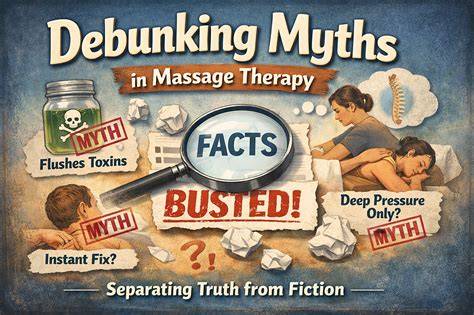
Snippet Trigger: It’s for anyone. The myth is that only couples with “severe problems” need sensual therapy. In reality, it helps individuals with body shame, chronic pain, past trauma, or simply a desire for deeper connection. You do not need to be “broken” to benefit.
The old-school, 20th-century model of therapy said you only go when something is irreparably broken. That’s garbage. You go to the gym to maintain a healthy body, not just fix a broken leg. Sensual therapy is the gym for your intimate self.
Here’s who I’m seeing benefit in our local area:
- Individuals with Vaginismus or Erectile Dysfunction: These are often not physical problems, but neurological ones. The body has learned a fear response. Sensual therapy, particularly sexological bodywork, uses gradual desensitization and breathwork to re-teach the body safety .
- Survivors of Trauma: The body keeps the score. Talk therapy can only go so far. Somatic practices help release trapped fight-or-flight energy stored in the tissues, a growing field validated by new 2026 research on the mind-body connection .
- Perimenopausal and Menopausal Women: Hormonal shifts can cause vaginal atrophy, pain during intercourse, and a complete drop in libido. This is not “all in your head,” but the distress around it is. A therapist can help navigate these physical changes without shame.
- Neurodivergent Individuals (Autism, ADHD): Many struggle with sensory processing, interoception (knowing what your body feels), and social cues around intimacy. Coaching provides a structured, unmasked environment to learn.
- Anyone Feeling “Disconnected”: You don’t need a diagnosis. If you feel like you’re just going through the motions in your relationships, if touch feels awkward or mechanical, this work can help.
The 2026 Mind-Body Health Shock report is very clear: our nation is facing a crisis of disconnection . The answer isn’t another pill or a self-help book. The answer is embodied, felt-sense experience. And that’s exactly what sensual therapy provides.
Navigating the 2026 Landscape: Why Now Is the Time for Blackwood

Snippet Trigger: May 2026 is a pivotal moment. New Welsh mental health standards emphasize holistic, person-centred care. Concurrently, major UK reports highlight a “mind-body health crisis.” The Valleys community, with its rich calendar of events like the Bargoed May Fair, is primed for a serious, stigma-free conversation about sensual wellness.
Let’s ground this in our reality, not some London trend piece. Blackwood isn’t Mayfair. But that’s precisely why this conversation matters more.
Just look at our calendar. On May 9th, 2026, Bargoed Town Centre will be bustling with the annual May Fair – a classic, family-friendly carnival . On May 27th, the Blackwood Miners’ Institute hosts a Folk Night celebrating the radical history of the Sirhowy Valley . This is a community that values tradition, resilience, and people. Yet, behind closed doors, that same community is struggling. Divorce rates are up. Loneliness is endemic. The pubs are full, but genuine connection feels scarce.
The Welsh Government knows this. Their new Mental Health Quality Statement, published just two months ago in March 2026, moves away from rigid, tiered care models to more flexible, recovery-focused systems . It’s an admission that talking cures alone aren’t cutting it. There’s room for the body.
Meanwhile, the 2026 Global Wellness Summit trend report pointed to “pleasure-led wellness” as a defining theme of the year. We’re moving beyond “self-care as bubble baths” to “self-care as radical, embodied pleasure” . This isn’t hedonism. It’s a political act of reclaiming your own nervous system in a high-stress world.
And here in the Valleys, we have a unique advantage. We’re small. We’re networked. Word of mouth travels fast. When one person finds a compassionate, skilled therapist who helps them overcome shame, they tell a friend. That’s how change happens here – not through billboards, but through a quiet, steady revolution of healing.
How to Choose a Practitoner in Blackwood and the Surrounding Area

Snippet Trigger: Do not rush. Look for registered professionals with bodies like COSRT or the UKCP. A legitimate practitioner will insist on a no-touch consultation first to discuss goals, boundaries, and your history. If a session promises a specific, guaranteed outcome, walk away.
This is the practical bit, and it’s the most important. The field is unregulated, which means anyone can call themselves a “sensual therapist” or “tantric healer.” You need to be your own advocate. Here’s your checklist, based on advice from registered COSRT members I’ve spoken to:
- Check Credentials: Look for membership in the College of Sexual and Relationship Therapists (COSRT), the United Kingdom Council for Psychotherapy (UKCP), or the British Association for Counselling and Psychotherapy (BACP). These bodies have ethical codes and complaints procedures .
- Clarity on “Touch”: For sexological bodywork, a legitimate practitioner will explain the one-way touch protocol (practitioner to client) and will not engage in mutual touch or reciprocation .
- Ask About the “Sensate Focus” Protocol: Any therapist worth their salt will be able to explain sensate focus exercises. They might adapt them, but they’ll know the foundational work of Masters and Johnson .
- Be Wary of “Guarantees”: If a website says “Cure erectile dysfunction in one session!” or “Unlock your orgasm with this secret technique,” run. Real therapy is uncertain, non-linear, and sometimes frustrating.
- Look for Poly/Kink/Gender-Affirming Language: A good modern therapist won’t flinch. They’ll use phrases like “sex worker positive” or “LGBTQIA+ affirming” openly. This signals they’ve done their own work on shame .
And don’t forget logistics. Where are they based? Are they online only, or do they have a private practice in Blackwood, Caerphilly, or Newport? The drive from Blackwood to Cardiff for a session is manageable, but adds stress. A neutral, local therapy room can make all the difference.
| Red Flag 🚩 | Green Flag ✅ |
|---|---|
| Promises a “happy ending” or specific sexual outcome | Talks about “goals,” “process,” and “client-led exploration” |
| No initial consultation, or pushes for immediate hands-on work | Requires a 30-60 minute intake session (phone or video) with no touch |
| No listed qualifications or governing body membership | Proudly displays COSRT, UKCP, or BACP registration numbers |
| Pressures you to undress or engage in physical acts you’re unsure about | Discusses clothing options (e.g., “clothing optional with a sheet”) and checks in frequently |
| Refuses to talk about trauma history or seems uncomfortable with it | Asks about trauma explicitly and explains how they work safely with it (trauma-informed) |
The Verdict: A Quiet Revolution in the Valleys
Look, I’m a skeptic by nature. I’ve watched too many wellness fads wash over our towns, leaving nothing but lighter wallets and broken promises. But sensual therapy, in its legitimate forms, isn’t a fad. It’s a response to a genuine, deep-seated human need that traditional medicine and talking therapy have consistently failed to address.
Will it work for you? No idea. I can’t answer that. But I can tell you this: the shame is the real disease. The isolation is the real illness. And finding a compassionate, professional witness to your story – someone who can help you reconnect with the very body you live in – that’s medicine.
As we head into the summer of 2026, with the Blackwood Beach Party on July 18th and the Bargoed Summer Music Festival on July 11th, maybe give yourself a different kind of gift . The ticket to a festival lasts a night. The work of reclaiming your sensual self? That lasts a lifetime. And it’s happening right here, quietly, in the heart of our valleys.